There was a time when a Vogue cover could define an era. A single image could alter beauty standards, crown a cultural icon, or spark a global aesthetic conversation. It was never merely a photograph; it was a mood, a manifesto. Yet, today, Vogue USA feels unmoored, trading its storied vision for something algorithmic, confused, and curiously forgettable.

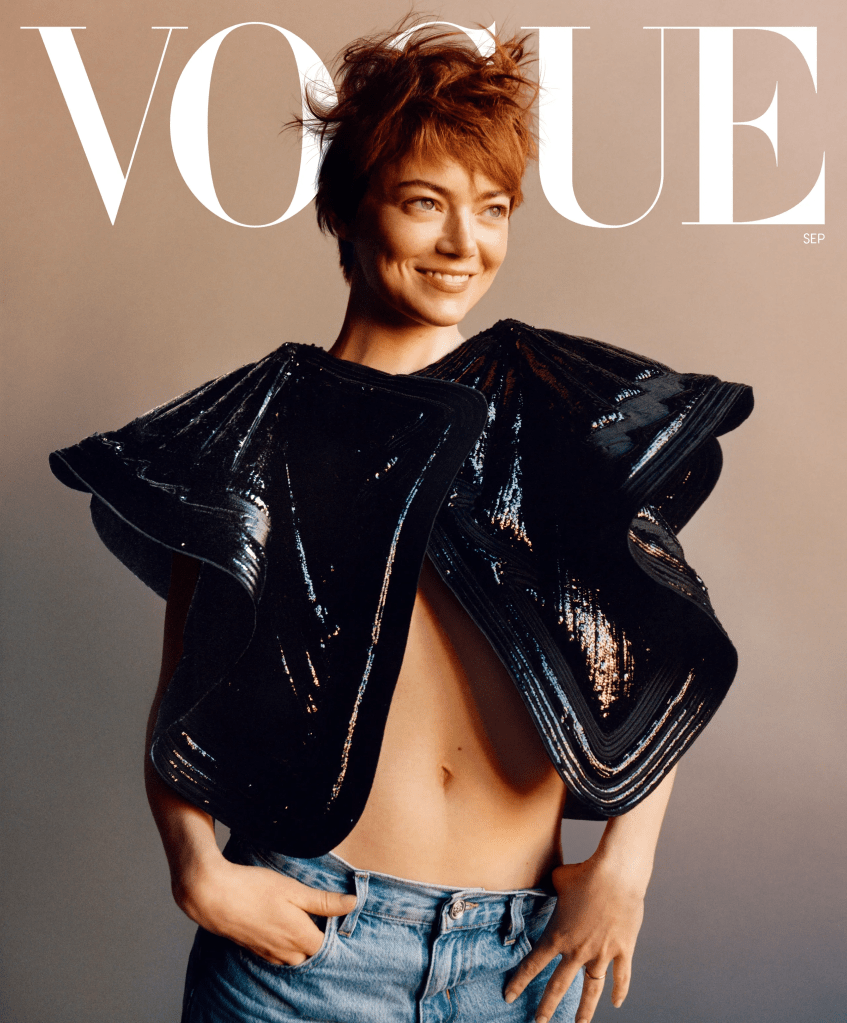
Take the recent Emma Stone cover. On paper, it should have been a triumph: an Oscar-winning muse, photographed by Jamie Hawkesworth, styled by Grace Coddington. Yet what should have felt cinematic instead felt sterile. Stone, cloaked in muted Louis Vuitton, looked less like an icon and more like a placeholder for nostalgia. The lighting, stripped of drama, betrayed no emotion. There’s minimalism, and then there’s absence, and this was the latter. Vogue has always excelled at restraint, but it once had purpose. Now, it feels more like self-erasure.
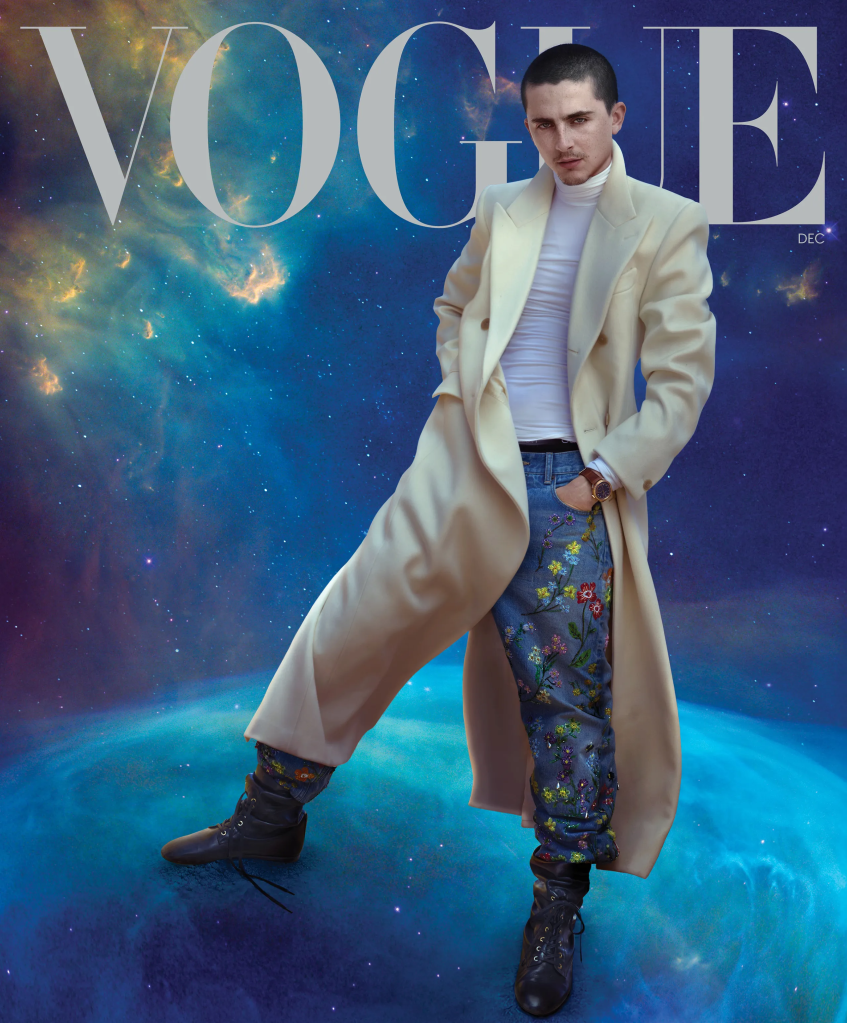
Then came Timothée Chalamet’s December issue, an attempt at cosmic fantasy gone aesthetically adrift. The concept was grand: Chalamet suspended above a planetary backdrop, photographed by Annie Leibovitz. But instead of surrealism, it delivered confusion. The visual metaphor was never clear, the execution oddly lifeless. Viewers accused Vogue of using AI, and the backlash said it all, this was a magazine once fluent in visual storytelling, now stumbling through the grammar of digital spectacle.
Chalamet’s allure has always been his fluid masculinity, his ease in subverting fashion codes. Yet even that charisma couldn’t rescue an image that felt visually weightless. The problem isn’t him, it’s Vogue’s waning conviction in what makes an image iconic.
Much of this visual uncertainty coincides with internal change. As Anna Wintour steps down as Editor-in-Chief and Chloe Malle takes the new title of Head of Editorial Content for U.S. Vogue, the publication faces its most existential moment. Wintour retains powerful global control, but the old, singular authority is fading, and the new digital-focused voice hasn’t yet found its rhythm. The result is a magazine visually caught between nostalgia and neutrality, a publication that once dictated taste, now awkwardly trying to appear relatable.
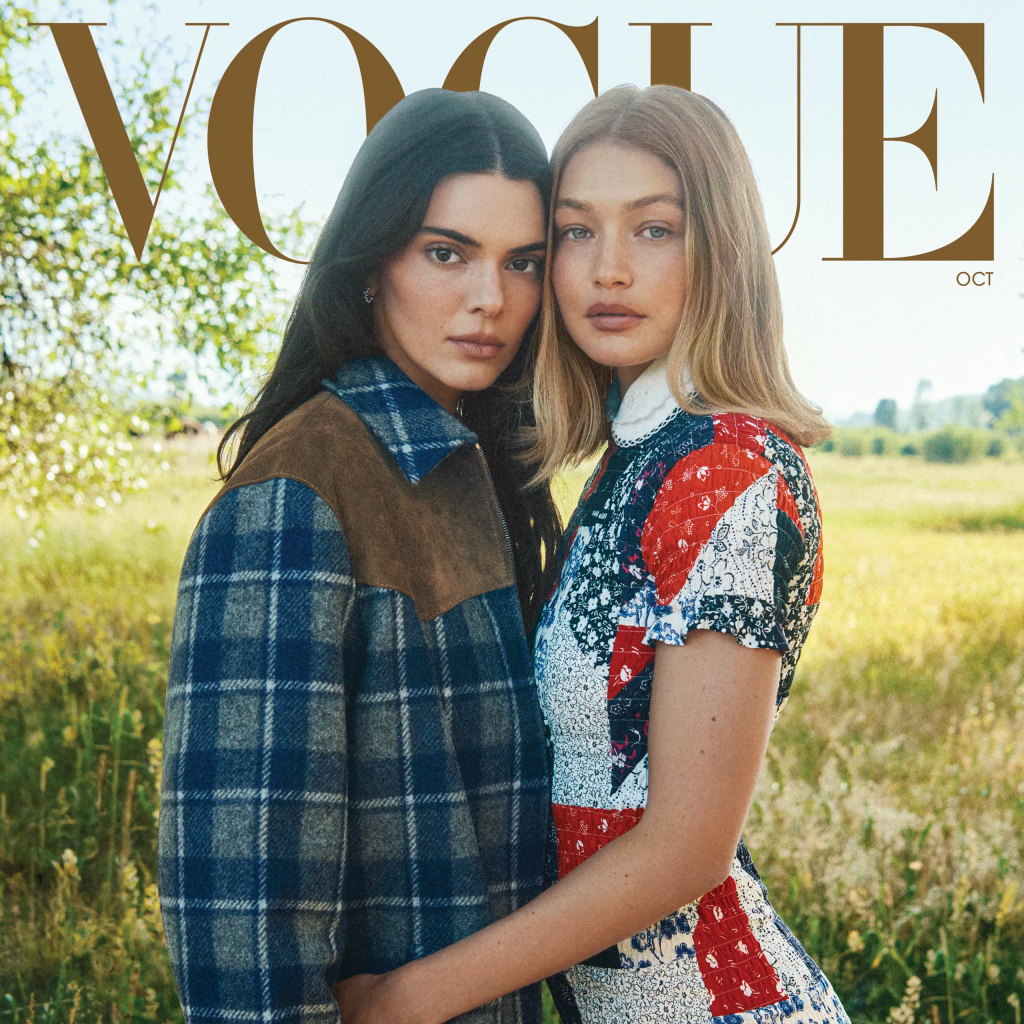
In truth, these covers mark more than an aesthetic misstep; they signify a cultural reprogramming. Fashion imagery today must navigate sensitivity, inclusivity, and digital immediacy, values that often dilute the edge that once defined Vogue’s authority. The magazine now stands at a crossroads: will it rediscover the audacity of vision, or settle into algorithmic approval? Future covers may lean toward collaborative authenticity, featuring voices outside traditional celebrity circles, but whether that will reignite its visual fire remains uncertain.
Because when a magazine built on fantasy forgets how to dream, the world stops looking.
 Runway Rumour
Leave a comment